
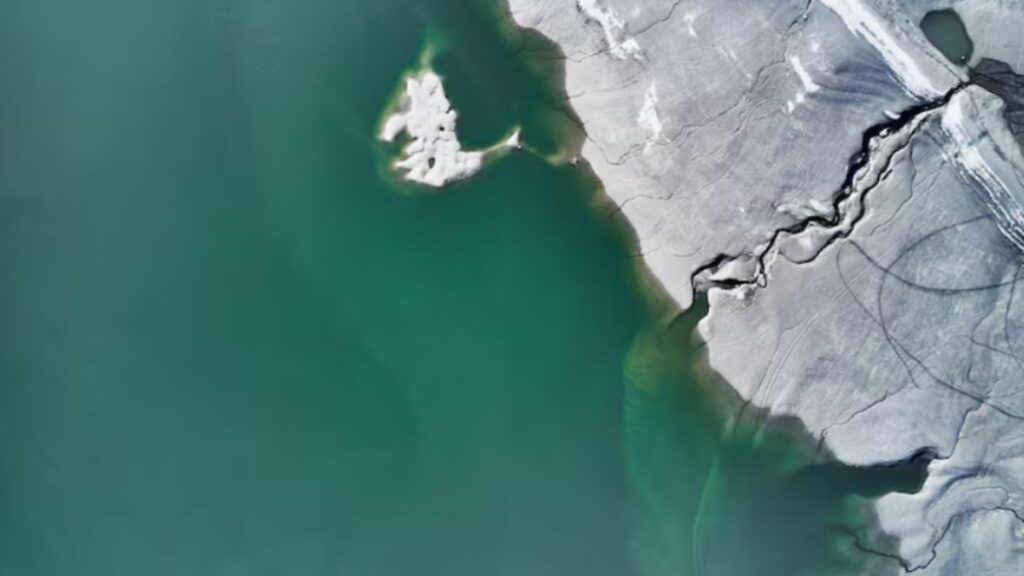
Introduction to Tundra 2025 and its Vulnerability to Climate Change
The tundra, a vast and stark landscape of frozen beauty, is facing unprecedented changes as we approach 2025. This fragile ecosystem, home to unique wildlife and resilient plant species, stands on the frontline of climate change. With temperatures rising and permafrost melting at alarming rates, the implications for both nature and human communities are profound. As we delve into Tundra 2025’s vulnerabilities and prospects for adaptation, it becomes imperative to understand what lies ahead in this critical region. The clock is ticking; let’s explore how these environmental shifts will shape our world in just a few short years.
Current State of Tundra 2025 Climate and Expected Changes by 2025
The Tundra 2025 climate is already showing signs of significant shifts. Average temperatures are rising at an alarming rate, with predictions indicating increases of up to 2 degrees Celsius by the end of this decade.
Permafrost, once a stable layer, is beginning to thaw. This poses risks not only for ecosystems but also for human infrastructure built atop it. As ground conditions change, landscapes will transform.
Increased precipitation patterns are expected to alter water availability and distribution. More rain can lead to flooding in certain areas while others may face droughts due to changing weather systems.
Wildlife species that have adapted over centuries now find their habitats shrinking or disappearing altogether. Plants too must adapt quickly or risk extinction as their growing seasons shift dramatically.
These changes paint a concerning picture for Tundra 2025 as both flora and fauna navigate an increasingly unpredictable environment.
Impacts of Climate Change on Tundra 2025 Ecosystems and Communities
The impacts of climate change on Tundra 2025 ecosystems are profound. Rising temperatures disrupt delicate balances within these habitats. Permafrost, which has long been stable, is beginning to thaw, releasing greenhouse gases and altering soil structure.
Plant species that thrive in cold conditions may struggle to survive as new competitors emerge from warmer regions. This shift can lead to a decline in native flora, affecting the entire food web.
Wildlife faces similar challenges. Migratory patterns for birds and caribou are changing, often leading to mismatches between animals and their food sources. This inconsistency threatens their survival rates.
Communities living in tundra regions also feel the strain. Traditional lifestyles tied closely to seasonal rhythms are becoming harder to maintain as ice roads disappear and hunting grounds change unpredictably.
Cultural practices rooted in nature face uncertainty too; knowledge passed down generations risks being lost amid rapid environmental shifts.
Adaptation Strategies for Tundra 2025 Wildlife and Plant Species
To safeguard wildlife and plant species in Tundra 2025, adaptive strategies are essential. One approach involves habitat restoration. Revitalizing native vegetation can help sustain local fauna.
Another strategy focuses on genetic diversity. Breeding programs that encourage resilience among plant species enable them to withstand changing conditions. This ensures survival even as temperatures rise.
Migration corridors also play a crucial role for animals facing habitat loss. Establishing routes allows species to move freely between areas, finding suitable environments with food and shelter.
Community involvement is vital in these efforts. Engaging locals helps monitor ecosystems effectively while fostering awareness about the importance of preservation.
These adaptations not only enhance biodiversity but also promote ecosystem stability in Tundra 2025’s shifting landscape. As challenges arise, innovative solutions will be key to maintaining this fragile environment for generations to come.
Human Adaptations in Tundra: Infrastructure, Industries, and Communities
Human adaptations in the tundra are essential for survival in this harsh environment. Communities have developed unique infrastructure tailored to withstand extreme conditions. Buildings are often elevated on stilts to prevent thawing permafrost from destabilizing them.
Industries also reflect adaptations to local challenges. Traditional hunting and fishing remain vital, but there’s a growing emphasis on sustainable practices. These ensure that resources aren’t depleted while still supporting local economies.
Transportation plays a critical role too. Snowmobiles and all-terrain vehicles are common, allowing access across vast landscapes where roads might not exist.
Cultural resilience is evident as well. Indigenous knowledge informs modern practices, blending tradition with innovation. This synergy helps communities navigate changes brought by climate shifts effectively while preserving their heritage.
Thriving amid these challenges showcases human ingenuity and adaptability in Tundra 2025’s shifting landscape.
International Efforts and Policies for Tundra Conservation and Resilience
Across the globe, nations are recognizing the urgent need to protect tundra ecosystems. Various international agreements aim to foster cooperation in this fragile region. The Arctic Council plays a pivotal role, bringing together eight Arctic countries to address climate change impacts and promote sustainable development.
Efforts like the Paris Agreement also highlight commitments to limit global warming, which directly affects tundra stability. Countries are working collaboratively on science-based initiatives that monitor ecological changes and share best practices for conservation.
Local communities often take center stage in these policies. Their traditional knowledge contributes significantly to developing effective adaptation strategies tailored for specific regions within the tundra. Initiatives such as Indigenous-led conservation projects empower local voices while safeguarding biodiversity.
Funding from organizations dedicated to environmental preservation is crucial too. Grants support research aimed at understanding vulnerabilities and enhancing resilience against climate shifts affecting wildlife habitats and human livelihoods alike.
Conclusion: The Future of Tundra 2025
The future of Tundra 2025 holds both challenges and opportunities. As climate change continues to reshape this unique ecosystem, the need for proactive measures has never been more urgent. The alterations in temperature and precipitation patterns will undoubtedly impact the flora and fauna that have adapted to these harsh conditions.
Adaptation strategies are essential not just for wildlife, but also for local communities reliant on tundra resources. Innovative approaches can help preserve biodiversity while ensuring sustainable livelihoods.
Global collaboration plays a crucial role in addressing these challenges. Policies aimed at protecting vulnerable ecosystems must be prioritized by nations worldwide. It’s clear that collective action is vital to foster resilience against ongoing climate threats.
The path forward hinges on our ability to blend modern solutions with traditional knowledge. By embracing adaptive management practices, we can safeguard Tundra 2025’s rich ecological heritage for generations to come. The decisions made today will significantly shape its tomorrow—both literally and figuratively—in ways we cannot yet fully comprehend.