
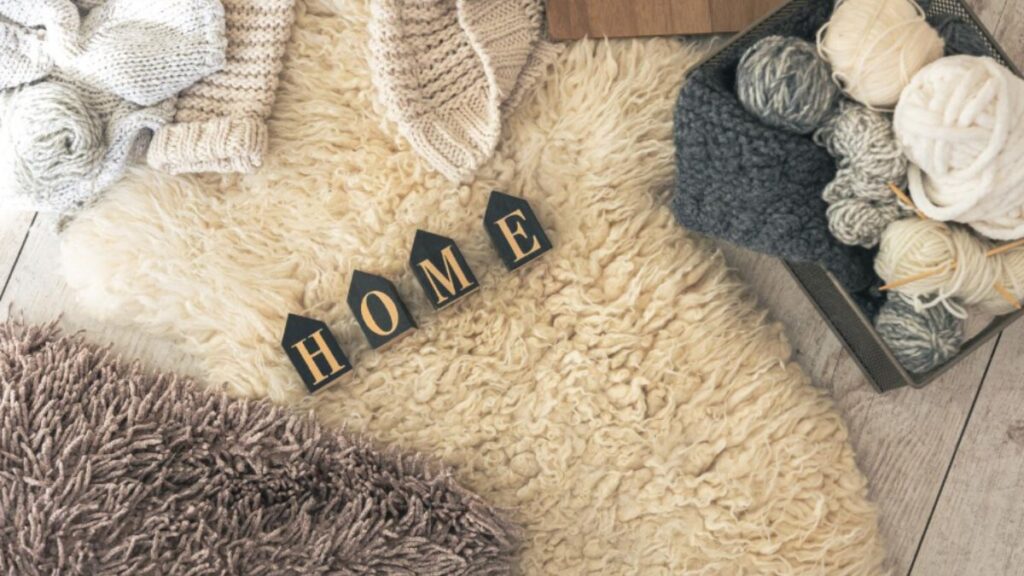
Introduction to Wollmatten and Its Uses in Interior Design
Wollmatten, or wool rugs, have woven themselves into the fabric of interior design for centuries. Their rich textures and vibrant colors can transform any space, adding warmth and character. But these stunning pieces are more than just decor; they hold stories that span generations and cultures. Whether gracing a modern apartment floor or enhancing a traditional living room, Wollmatten bring an undeniable charm. In this exploration, we’ll journey through their fascinating history, diverse cultural significance, evolving designs, contemporary uses in interiors today—and even touch on the ethical aspects of their production. Get ready to uncover the timeless beauty and versatility that make Wollmatten a staple in homes around the world!
The Origins of Wollmatten: From Ancient Times to Modern Day
Wollmatten, or wool rugs, have a rich history that dates back thousands of years. Their origins can be traced to nomadic tribes who utilized sheep’s wool for warmth and comfort in harsh climates. These early artisans crafted simple yet functional mats to protect themselves from cold floors.
As civilizations flourished, so did the artistry behind Wollmatten. Ancient cultures like the Persians began incorporating intricate designs and vibrant colors into their creations. Each rug told a story, often reflecting local traditions and symbols.
By the Middle Ages, European craftsmen adopted these techniques. They introduced patterns inspired by nature and mythology, elevating Wollmatten from mere utility items to works of art.
In modern times, advancements in technology have expanded production methods while preserving traditional craftsmanship. Today’s Wollmatten blend old-world charm with contemporary design trends, making them versatile accents for any interior space.
The Role of Wollmatten in Different Cultures and Regions
Wollmatten have woven their way through the fabric of various cultures around the globe. In many regions, these woolen rugs symbolize warmth and comfort, often gracing homes in colder climates.
In Central Asia, intricate techniques produce stunning carpets that tell stories of nomadic life. Each design reflects local traditions and beliefs. These pieces are not just decorative; they serve practical purposes as well.
European countries have embraced Wollmatten for centuries too. From cozy cottages to grand castles, these textiles add a touch of elegance and history to interiors.
Meanwhile, Scandinavian design emphasizes simplicity and functionality while valuing natural materials like wool. Here, Wollmatten contribute to minimalist aesthetics without sacrificing comfort.
Across continents, Wollmatten adapt uniquely to cultural narratives while maintaining their core identity as cherished home elements.
The Evolution of Wollmatten Designs and Techniques
Wollmatten have transformed significantly over the centuries. Early designs often featured simple geometric patterns, reflecting the natural world around them. Artisans used traditional methods passed down through generations, weaving wool into functional yet beautiful pieces.
As trade routes expanded, new influences emerged. The introduction of vibrant dyes and intricate motifs brought Wollmatten to life in unexpected ways. This blending of styles created unique regional variations that told stories of their origins.
The 20th century marked a shift towards modernism. Designers embraced minimalism while experimenting with textures and shapes. Today’s Wollmatten showcase bold colors and innovative techniques, appealing to contemporary aesthetics.
With advancements in technology, production has also evolved, allowing for greater customization and accessibility without sacrificing quality. Each piece now represents a fusion of tradition and innovation, offering endless possibilities for interior design enthusiasts seeking authenticity in their spaces.
How Wollmatten is Used in Contemporary Interior Design
Wollmatten have become a staple in contemporary interior design, adding warmth and texture to various spaces. Their luxurious feel underfoot enhances comfort while providing an inviting atmosphere.
Designers often incorporate Wollmatten in living areas, bedrooms, and even dining rooms. The rich fibers contribute both visual appeal and acoustic benefits, softening sound within the home.
Contemporary aesthetics embrace bold patterns and colors in Wollmatten. Geometric designs or vibrant hues can serve as focal points that elevate a room’s overall style.
Moreover, these rugs are versatile enough to complement minimalist settings or more eclectic interiors. They blend seamlessly with wood floors or tile surfaces, showcasing their adaptability across different styles.
With sustainability gaining traction in design choices, many manufacturers now offer eco-friendly options made from organic materials. This shift toward responsibly sourced Wollmatten is increasingly important for today’s conscientious consumers.
Sustainability and Ethical Concerns Surrounding Wollmatten Production
Sustainability in Wollmatten production is increasingly under the spotlight. As eco-conscious consumers demand more transparency, manufacturers are adjusting their practices.
Traditionally, wool was sourced from sheep raised in environmentally friendly conditions. However, modern methods can sometimes prioritize quantity over quality. This shift raises questions about animal welfare and land use.
Ethical sourcing has become a buzzword within the industry. Many brands now emphasize responsible farming techniques that prioritize both animal well-being and environmental health.
The use of natural dyes also plays a crucial role in sustainability discussions surrounding Wollmatten. Chemical dyes can be harmful to ecosystems, making organic alternatives a preferable choice for many designers.
Consumers are beginning to seek out brands that demonstrate genuine commitment to ethical practices. This growing awareness encourages companies to adopt greener methods while still producing beautiful, high-quality products.
Conclusion: The Timeless Beauty and Versatility
Wollmatten has long captured the hearts of designers and homeowners alike. Its unique blend of history, artistry, and functionality makes it an enduring choice in interior spaces. From ancient tapestries to contemporary designs, Wollmatten continues to evolve while maintaining its core appeal.
Today’s offerings showcase a stunning array of patterns and textures that cater to various tastes. The versatility of Wollmatten allows it to enhance any interior design scheme—whether modern minimalism or rustic charm.
Moreover, with growing awareness around sustainability, many artisans are committed to ethical production practices. This commitment adds value for consumers who prioritize eco-friendly choices when decorating their homes.
As we celebrate the rich heritage and ongoing innovation surrounding Wollmatten, it’s clear that this textile will remain a beloved staple in the world of interior design for years to come.