
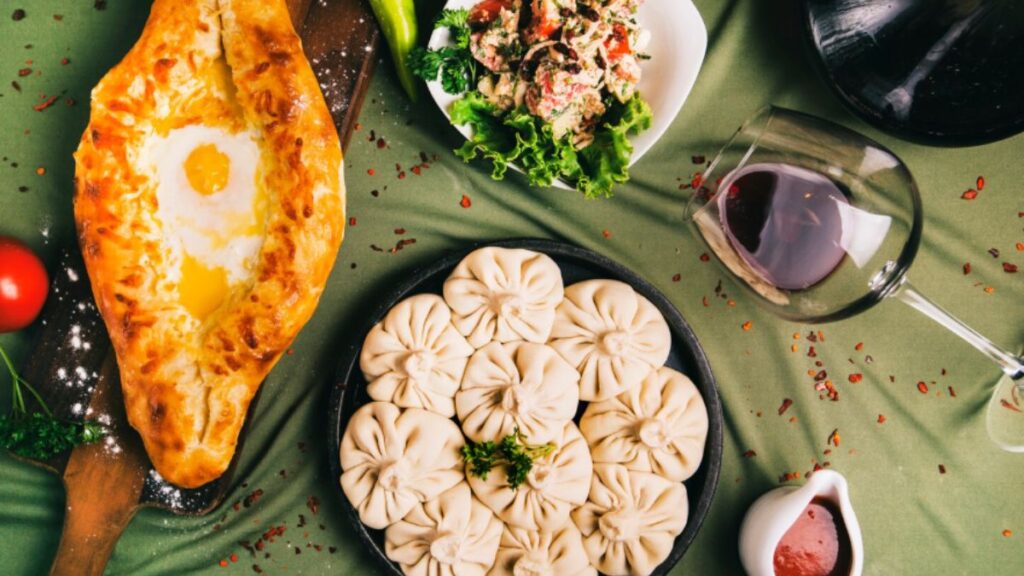
Introduction to Kouskousi and Its Origins
Kouskousi, a dish that’s more than just a meal—it’s a celebration. Originating from North Africa, this delightful staple has journeyed across continents and cultures, embracing variations that tell stories of heritage and tradition. Its light grains are perfect for soaking up flavors, making it a beloved choice in kitchens worldwide. Whether served as a side or the star of the show at family gatherings, kouskousi connects people through shared experiences and culinary adventures. Join us as we explore how different cultures celebrate this versatile dish and discover what makes kouskousi so special around the globe!
The Various Types of Kouskousi
Kouskousi is a versatile dish that comes in many forms, each reflecting unique regional flavors and traditions. From the fine grains of Moroccan kouskousi to the heartier varieties found in Algeria, there’s a texture for every palate.
In Tunisia, you might encounter kouskousi topped with rich stews made from lamb or vegetables. This version often includes spices like harissa for an extra kick.
The Berber people have their own take on this classic staple. They serve it steamed and layered with meats and sauces, showcasing communal dining at its best.
Across the Mediterranean, Italian couscous has gained popularity too. Often cooked with seafood or fresh herbs, it embodies coastal culinary influences.
These diverse interpretations highlight how kouskousi transcends cultural boundaries while remaining rooted in tradition. Each type tells a story about its origin and place within daily life.
How Different Cultures Incorporate Kouskousi in Their Cuisine
Kouskousi has found its place in many culinary traditions across the globe. In North Africa, particularly in Morocco and Algeria, it’s a staple food often served with tender meats and vegetables. The dish is not just a meal; it’s an experience, bringing families together around the table.
In Italy, kouskousi takes on a different form known as “cuscus.” Here, it often appears alongside seafood or saffron-infused sauces. It highlights the Mediterranean flair that characterizes Italian cuisine.
Meanwhile, in some Middle Eastern countries like Lebanon and Tunisia, kouskousi is paired with rich stews flavored with spices such as cinnamon and cumin. These variations showcase local ingredients while preserving traditional cooking methods.
Each culture adds its own twist to this versatile grain. This adaptability makes kouskousi beloved far beyond its origins.
Traditional Kouskousi Recipes from Around the World
Kouskousi has woven its way into the culinary fabric of many cultures, each adding unique twists to this beloved dish. In North Africa, you’ll find traditional Moroccan kouskousi served with flavorful lamb or chicken stews, accompanied by rich spices like saffron and cumin.
In Italy, a variation known as “cuscus” often features fresh seafood and vibrant vegetables. The combination highlights local produce while retaining the core essence of kouskousi.
Moving to Ethiopia, injera serves as a base for spiced lentils and meats paired with their own version of kouskousi. This dish brings together communal eating and shared flavors in a delightful experience.
Meanwhile, in France’s Provençal region, you might taste kouskousi made from semolina grains topped with ratatouille’s colorful medley. Each recipe tells a story about its origins while celebrating regional ingredients that make it special.
Health Benefits of Kouskousi and Its Nutritional Value
Kouskousi, often made from whole wheat or semolina, is a powerhouse of nutrients. It contains essential vitamins and minerals that contribute to overall health.
Rich in fiber, kouskousi aids digestion and promotes gut health. This can help maintain a healthy weight by keeping you feeling full longer.
The dish is also a good source of plant-based protein. For those looking for vegetarian options, it’s an excellent choice for muscle repair and growth.
Additionally, kouskousi has low glycemic properties. This means it can be beneficial for managing blood sugar levels.
Packed with antioxidants, it helps combat oxidative stress in the body. Including this versatile grain in your diet can support heart health as well.
Whether served warm or cold, kouskousi makes a nutritious addition to any meal plan.
Celebrating with Kouskousi: Festivals and Holidays that Feature This Dish
Kouskousi holds a special place in many cultures, often featured during significant celebrations. In Morocco, the dish takes center stage during Eid al-Adha. Families gather to share this savory treat with loved ones, embodying unity and gratitude.
In Tunisia, Kouskousi is essential for weddings. Traditionally served as part of a grand feast, it symbolizes prosperity for the couple’s future together. Each bite carries blessings from family members who contribute their favorite ingredients.
Algeria also boasts its own kouskousi festivities linked to harvest time. Villagers come together to celebrate bountiful crops while sharing bowls of fluffy grains topped with seasonal vegetables and meats.
Across Mediterranean regions, festivals highlight local variations of kouskousi that showcase unique flavors and traditions. These gatherings nourish both body and soul, solidifying bonds within communities through food shared among friends and neighbors.
Conclusion: The Global Impact of Kous
Kouskousi transcends borders and cultures, uniting people through its diverse flavors and preparation methods. This humble dish holds deep significance in various culinary traditions, reflecting the history and values of each culture that embraces it. From North Africa to the Mediterranean regions, kouskousi has become a symbol of hospitality and togetherness.
The global popularity of kouskousi speaks volumes about its versatility. It’s not just a meal; it’s an experience shared during celebrations, gatherings, or simple family dinners. The health benefits are equally remarkable—offering nutrients while satisfying hunger without heavy calories.
As festivals around the world showcase this beloved food, the spirit of kouskousi continues to inspire communities to come together over tables laden with delicious dishes. Whether you’re savoring traditional recipes or experimenting with modern twists, kouskousi invites everyone to take part in a rich tapestry woven from countless stories across continents.
With every bite of kouskousi enjoyed worldwide, we celebrate more than just a dish; we honor our shared humanity and cultural heritage.