Introduction to the concept of hyperfiksaatio (hyperfixation)
In our fast-paced world, where information bombards us from every direction, many find themselves caught in a whirlwind of thoughts and tasks. Enter hyperfiksaatio—a deep, sometimes obsessive focus on a particular interest or task that can consume our time and energy. While it may seem like an asset at first glance, this intense fixation often leads to unintended consequences for our mental health and productivity. So how do we navigate the fine line between harnessing hyperfiksaatio’s potential and falling into its pitfalls? Let’s explore what it means to strike a balance in an ever-busy landscape filled with distractions.
The negative effects of hyperfiksaatio on mental health and productivity
Hyperfiksaatio can be a double-edged sword. While diving deep into a passion may feel rewarding, it often leads to unintended consequences. Individuals might lose track of time, neglecting responsibilities and relationships in the process.
This intense focus can spiral into anxiety or stress when tasks pile up. The pressure to maintain that level of engagement becomes overwhelming. As deadlines loom and personal commitments fade, feelings of guilt set in.
Mental exhaustion is another common outcome. Endless hours spent on one topic diminish creativity and motivation for other activities. This creates an unhealthy cycle where productivity takes a hit rather than seeing improvement.
Moreover, hyperfiksaatio can distort reality. It’s easy to become so immersed in one interest that you overlook broader life perspectives—missing out on experiences that could enrich your understanding or bring joy outside your fixation.
Understanding distraction and its role in our daily lives
Distraction is a pervasive element in our fast-paced lives. It’s that constant pull of notifications, social media updates, and even spontaneous daydreams. These interruptions can fragment our attention, making it difficult to concentrate on tasks.
In many ways, distraction serves as a double-edged sword. On one side, it provides a mental escape from stress or boredom. A quick scroll through Instagram might offer fleeting joy but often leads us down the rabbit hole of endless content.
Moreover, distractions have become more sophisticated with technology’s rise. They are cleverly designed to capture our focus at every turn. Each ping and buzz lures us away from what we were doing.
Understanding how distractions operate helps in managing them better. Recognizing their role allows for intentional choices rather than mindless scrolling or procrastination that steals precious time away from meaningful activities.
Finding balance between hyperfiksaatio and distraction
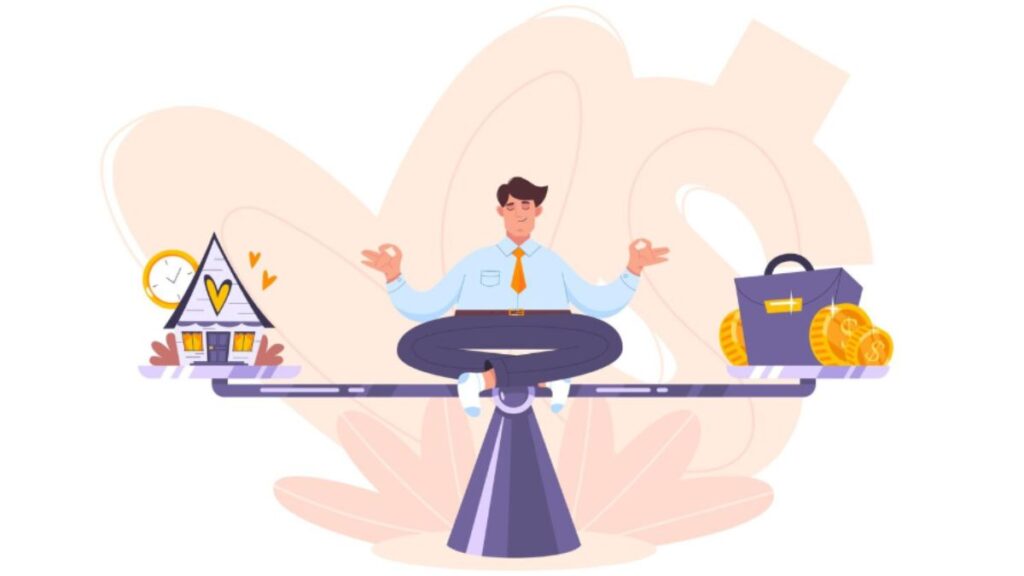
Striking the right balance between hyperfiksaatio and distraction can feel like walking a tightrope. Embracing your passions is essential, yet too much focus on one area might lead to burnout.
On the other hand, distractions are inevitable in our fast-paced lives. They can pull you away from tasks at crucial moments. Recognizing when you’re veering into hyperfixation or getting lost in distractions is vital.
Setting clear goals helps create boundaries. Allocate specific times for deep work while allowing yourself short breaks to recharge. This approach fosters both creativity and productivity without tipping the scales too far.
Engaging with mindfulness practices provides another layer of support. Being present encourages awareness of where your attention lies, helping you redirect it when necessary.
Experimenting with various techniques will aid in discovering what works best for you, paving the way toward a more balanced existence amidst daily chaos.
Tips for managing hyperfiksaatio and staying focused
Managing hyperfiksaatio requires intentional strategies. Start by setting clear boundaries for your focus periods. Use a timer to allocate specific chunks of time for deep work, followed by short breaks.
Create a distraction-free environment. Remove clutter and minimize noise to enhance concentration. Consider using noise-canceling headphones or calming background music if it helps you zero in on tasks.
Practice mindfulness techniques like meditation or deep breathing exercises. These can ground your thoughts and help redirect energy when you feel overwhelmed.
Keeping a journal can also be beneficial. Write down your thoughts when hyperfixation hits; this allows you to acknowledge those urges without getting lost in them.
Prioritize self-care activities such as exercise and hobbies that promote relaxation and creativity, providing an outlet beyond your current fixation.
The benefits of taking breaks and disconnecting from technology
Taking breaks is essential for mental clarity. Stepping away from tasks allows the mind to recharge and regain focus.
Disconnecting from technology offers a refreshing escape. Constant notifications can create a sense of urgency that leads to burnout. By taking time offline, you give yourself permission to breathe.
Nature walks or simple stretches can work wonders for your mood. Engaging in physical activity helps release endorphins, boosting overall well-being.
Mindfulness practices during breaks encourage deeper reflection. A few moments of meditation or simply sitting in silence can provide insight often lost amidst chaos.
Additionally, these pauses foster creativity. When you step back from constant stimulation, new ideas can emerge more freely.
Embracing downtime cultivates healthier habits too. It encourages better sleep patterns and reduces anxiety levels—benefits that ripple into daily life and productivity.
Conclusion: Embracing a balanced approach to living in a busy world
Living in a world filled with distractions, finding balance is essential. Hyperfiksaatio can lead to intense focus on specific interests, but it may also result in neglecting other important aspects of life. By recognizing the potential downsides of hyperfixation and understanding how distraction influences our daily routines, we can work toward achieving equilibrium.
Striking this balance requires awareness and intentionality. Managing hyperfiksaatio involves setting boundaries around time spent on certain tasks or interests. Techniques such as using timers or creating structured schedules can help maintain focus without falling into the trap of overindulgence.
Moreover, integrating regular breaks into your routine fosters mental clarity and rejuvenates creativity. Disconnecting from technology allows for self-reflection and deeper connections with the present moment. Embracing these habits will enhance overall well-being while promoting productivity.
By navigating between hyperfiksaatio and distraction thoughtfully, one can cultivate a fulfilling lifestyle that values both passion and practicality—resulting in greater satisfaction amid life’s busyness.