
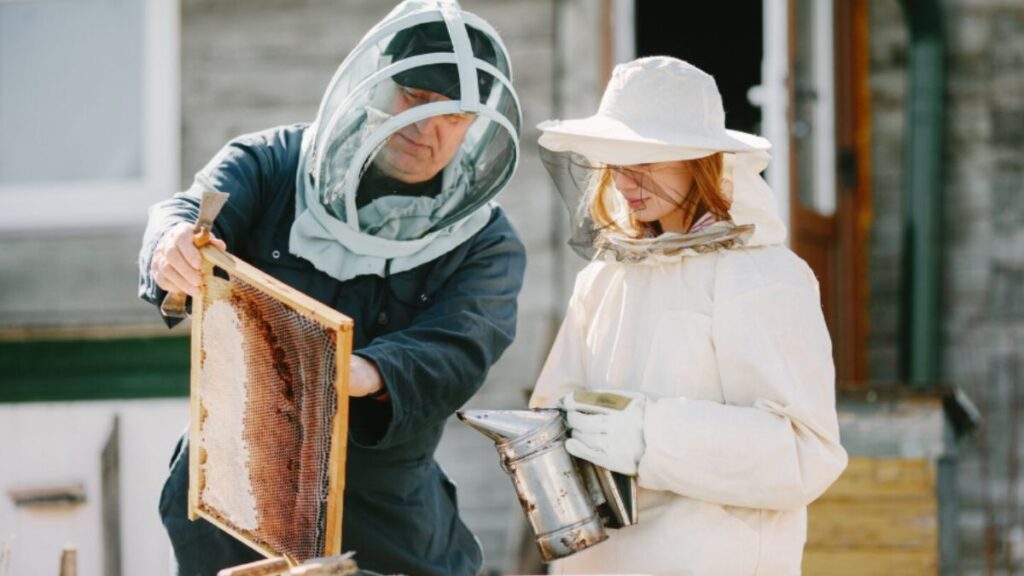
Introduction to Beekeeper 2.0
The world of beekeeping is buzzing with innovation! Enter Beekeeper 2.0, a new breed of apiarist blending age-old traditions with cutting-edge technology. These tech-savvy keepers are not just tending to hives; they’re revolutionizing bee conservation efforts around the globe. Imagine equipped professionals using data analytics, drones, and smart sensors to monitor bee health in real-time. This fusion of nature and technology promises to reshape how we protect these vital pollinators. As we dive deeper into this captivating evolution, get ready to discover what it truly means to be a Beekeeper 2.0!
The Traditional Way vs. Beekeeper 2.0
Traditional beekeeping is rooted in age-old practices. Beekeepers relied on intuition and experience. They understood the rhythms of nature but often lacked real-time data.
In contrast, Beekeeper 2.0 embraces technology like never before. This modern approach uses sensors and drones to monitor hives continuously. Insights about temperature, humidity, and bee activity are just a click away.
While traditional methods fostered deep connections with bees, they could miss vital signs of distress or disease early on. The tech-savvy counterpart can detect problems quickly, allowing for rapid intervention.
Both approaches have their merits. However, the integration of technology introduces precision into an art that was once largely subjective. It’s not about replacing tradition; it’s about enhancing it through innovation.
The landscape of beekeeping is evolving rapidly as we adapt to new challenges in conservation efforts.
Advancements in Technology for Beekeeper 2.0
The world of beekeeping is experiencing a technological renaissance. Drones now play a pivotal role in monitoring hives, providing real-time data on bee activity and health.
Smart sensors installed within hives track temperature, humidity, and even hive weight. This information alerts beekeepers to potential issues before they escalate.
Mobile applications have transformed how keepers manage their colonies. With just a few taps, individuals can log observations or receive advice based on AI-driven insights tailored to specific regions.
Moreover, advances in genetic research allow for selective breeding of bees that are more resilient to diseases and environmental changes. These tech-savvy practices pave the way for healthier colonies and robust ecosystems.
As technology evolves, so does the understanding of these vital pollinators. Beekeeper 2.0 embraces innovation while ensuring sustainability remains at the forefront of its mission.
Benefits of Tech-Savvy Beekeeping for Conservation
Tech-savvy beekeeping revolutionizes the way we approach conservation. With digital tools, beekeepers can monitor hive health in real-time. This leads to quicker interventions when issues arise.
Data analytics plays a crucial role too. By analyzing patterns in bee behavior and environmental conditions, keepers identify challenges before they escalate. It’s proactive rather than reactive.
Remote monitoring allows for better resource management, reducing costs and waste. Beekeepers can optimize their operations while minimizing their ecological footprint.
Moreover, engaging with communities through apps fosters awareness about bee conservation. People become more involved, leading to grassroots movements that support local ecosystems.
These advancements not only enhance productivity but also promote sustainable practices across the board. The integration of technology into beekeeping opens new avenues for education and advocacy as well, inspiring future generations to prioritize pollinator health.
Success Stories of Beekeeper 2.0s
Across the globe, Beekeeper 2.0s are making waves. One standout is a tech-savvy farmer in California who integrated IoT sensors into his hives. These devices monitor temperature and humidity levels in real-time, allowing for quick adjustments that keep the bees healthy.
In New Zealand, another innovator uses drones to survey apiary locations. This high-tech approach not only boosts productivity but also identifies potential threats from predators or pests before they become problematic.
Meanwhile, urban beekeepers have embraced vertical farming techniques combined with mobile app management systems. Their ability to track hive health and production via smartphones has transformed rooftop honey harvesting into an art form.
These success stories highlight how technology can enhance traditional practices, leading to healthier bee populations and more sustainable ecosystems. Each innovation showcases creativity and dedication within this growing community of modern beekeepers dedicated to conservation efforts worldwide.
Challenges and Criticisms
Despite the exciting advancements brought by Beekeeper 2.0, challenges abound in this new landscape. One major concern is the steep learning curve associated with new technologies. Many traditional beekeepers find it difficult to adapt, fearing that their time-honored techniques may become obsolete.
Another criticism revolves around data privacy issues. As smart hives collect vast amounts of information, questions arise about who owns that data and how it’s used. Trust becomes a critical factor when technology enters such personal spaces.
Additionally, reliance on tech can lead to complacency among beekeepers. Some worry that over-dependence on gadgets might dull essential hands-on skills vital for hive management and bee health monitoring.
There are economic barriers as well; not all aspiring beekeepers can afford advanced tools or software needed for Beekeeper 2.0 practices, potentially widening the gap between seasoned pros and novices in the field.
Conclusion: The Future of Beekeeping and Conservation with Technology
The future of beekeeping is bright, thanks to the innovations brought forth by Beekeeper 2.0. Technology continues to bridge the gap between traditional practices and modern science, revolutionizing how we care for our bee populations.
As more individuals embrace tech-savvy methods, we can expect increased efficiency in hive management and enhanced insights into bee behavior. Drones and sensors will help monitor hives with precision, while data analytics can predict trends crucial for conservation efforts.
We are witnessing a shift where technology not only aids beekeepers but also contributes significantly to global environmental initiatives. The synergy between human creativity and nature’s resilience holds promise for sustaining our planet’s vital pollinators.
With ongoing advancements on the horizon, it’s clear that Beekeeper 2.0 is not merely a trend; it’s a transformative movement leading us toward a harmonious relationship with bees and their ecosystems. Embracing these changes may very well ensure that both beekeepers and bees thrive together in an ever-evolving world.