
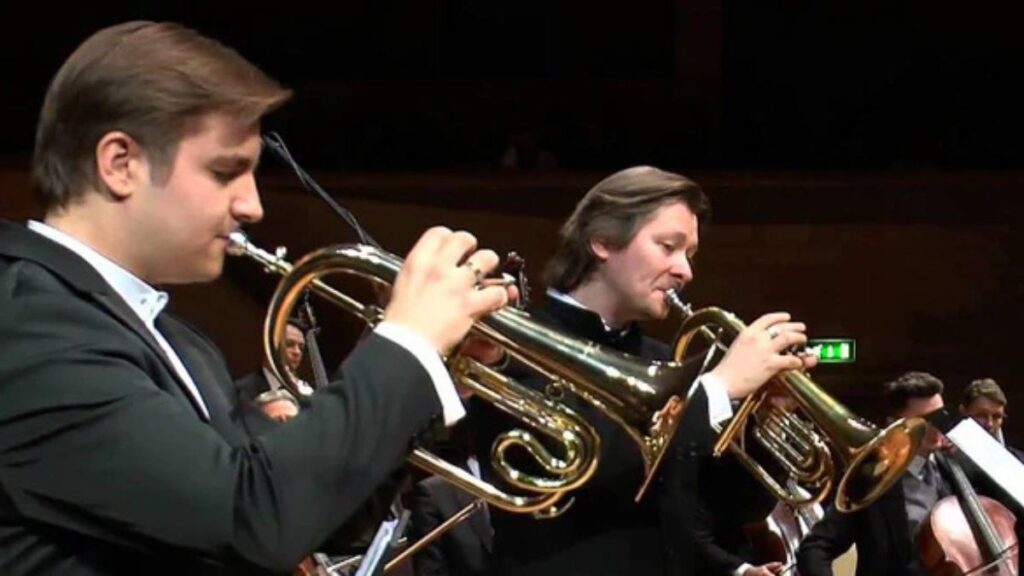
Introduction to the Flugelhorn
The flugelhorn—a brass instrument that’s both elegant and evocative. It often flies under the radar compared to its trumpet cousins, yet it possesses a charm all its own. With its distinctive sound and warm timbre, the flugelhorn has carved out a special place in jazz bands and orchestras alike.
Many may wonder: what makes this instrument so unique? How did it evolve over time to become an essential part of various musical genres? Whether you’re a budding musician or simply someone who appreciates beautiful sounds, the journey of the flugelhorn is fascinating. Let’s take a deep dive into its rich history, explore how it’s crafted, uncover what gives it that signature tone, and discover some celebrated musicians who have brought this instrument to life. Join us as we unveil everything you need to know about the captivating world of the flugelhorn.
Origins and Evolution of the Flugelhorn
The flugelhorn has a rich heritage, tracing its roots back to the 19th century in Germany. Originally designed as a military instrument, it evolved from earlier brass instruments like the cornet and trumpet.
Its name comes from the German word “Flügel,” meaning wing. This reflects its soft tone, which seems to soar effortlessly like a bird. As brass bands gained popularity in Europe, the flugelhorn carved out its niche.
By the mid-20th century, jazz musicians embraced this instrument for its warm sound and versatility. It became a staple in big bands and small ensembles alike.
Manufacturers began crafting variations with different materials and designs, enhancing playability while maintaining that signature mellow tone. The flugelhorn’s evolving presence continues today across genres—from classical to contemporary music—showcasing its adaptability through time.
Construction and Design of a Flugelhorn
The construction of a flugelhorn is a fascinating blend of artistry and engineering. Typically crafted from brass, its body features a conical shape that contributes to the instrument’s rich sound.
Most flugelhorns have three valves, similar to trumpets. These valves allow performers to change notes easily while maintaining smooth transitions between them. The design often includes an extended bell, which enhances tonal warmth.
Flugelhorns can vary in finish as well. Some feature traditional lacquered brass, while others sport silver-plated or even gold finishes for added aesthetic appeal. Each finish brings distinct characteristics to both appearance and tone.
The mouthpiece also plays a crucial role in sound production. Designed specifically for the flugelhorn, it allows musicians to produce those iconic mellow tones that define this unique instrument.
Whether it’s the intricate tubing or the meticulous craftsmanship involved, every aspect contributes significantly to what makes playing the flugelhorn such an enjoyable experience.
The Unique Sound of the Flugelhorn
The flugelhorn boasts a warm, rich tone that sets it apart from other brass instruments. Its sound is often described as mellow and smooth, making it ideal for jazz and classical music.
This instrument’s wide bell contributes to its distinctive timbre. The combination of a conical bore and softer mouthpiece allows for expressive playing, enabling musicians to convey deep emotions through their notes.
When played softly, the flugelhorn can produce haunting melodies that linger in the air. Conversely, a more robust attack showcases its powerful projection without losing warmth.
Jazz players frequently utilize this instrument to add depth and color to their performances. Its versatility makes it suitable for both solo work and ensemble settings alike.
An unmistakable characteristic is how effortlessly the flugelhorn transitions between registers, offering an inviting sound that captivates listeners from all backgrounds.
Famous musicians who have played the Flugelhorn
The flugelhorn has found its way into the hands of many talented musicians across genres. One notable figure is Chuck Mangione, whose smooth melodies and vibrant performances made the instrument popular in jazz circles.
Another influential artist is Miles Davis. He often incorporated the flugelhorn into his works, adding a warm texture to his innovative soundscapes. His approach helped shape how audiences perceive this brass instrument.
In the realm of classical music, renowned trumpet player Alison Balsom has showcased her skills on the flugelhorn as well. Her versatility highlights its adaptability beyond traditional jazz settings.
Additionally, contemporary artists like David Sanborn have embraced the distinct tonal qualities of the flugelhorn, enriching their compositions with its unique voice. Each musician brings their own flair, demonstrating that this instrument can bridge diverse musical worlds effortlessly.
Advantages and Disadvantages of Playing the Flugelhorn
Playing the flugelhorn comes with its distinct perks. Its rich, warm tone can add depth to various musical genres. Jazz musicians often appreciate how it blends seamlessly with other instruments. The flugelhorn’s unique sound allows for expressive playing and nuanced dynamics.
However, there are challenges as well. The instrument’s larger size might be intimidating for beginners or those accustomed to smaller brass instruments. It also requires careful breath control; maintaining a steady airflow is crucial for producing that signature sound.
Maintenance is another consideration. Flugelhorns need regular care to keep them in top shape, which can be time-consuming and costly compared to simpler horns.
Finding repertoire specifically tailored for the flugelhorn may require some extra effort since many pieces are written primarily for trumpet or cornet players. Balancing these advantages and disadvantages is key when deciding if this instrument suits your musical journey.
Conclusion: Is the Flugelhorn right for you?
The flugelhorn offers a unique blend of rich history, distinctive sound, and artistic versatility. Whether you’re drawn to its mellow tones or the depth it brings to various genres, this brass instrument can be an exciting addition to your musical journey.
If you’re already familiar with trumpets or cornets, transitioning to the flugelhorn may feel natural. Its wide bell and conical shape provide a softer timbre that many musicians love. However, it’s essential to consider your personal musical goals and style before making a commitment.
If you enjoy jazz, classical music, or even contemporary compositions that use brass instruments expressively, the flugelhorn could elevate your playing experience. On the other hand, if you prefer sharper sounds typical of a trumpet or need an instrument for marching bands or more assertive styles of play, you might want something else.
Assessing whether the flugelhorn is right for you involves understanding what kind of sound resonates with your artistic expression and how much time you’re willing to invest in mastering this beautiful instrument. Embrace experimentation; sometimes trying out different instruments leads to surprising discoveries in your musical path!