
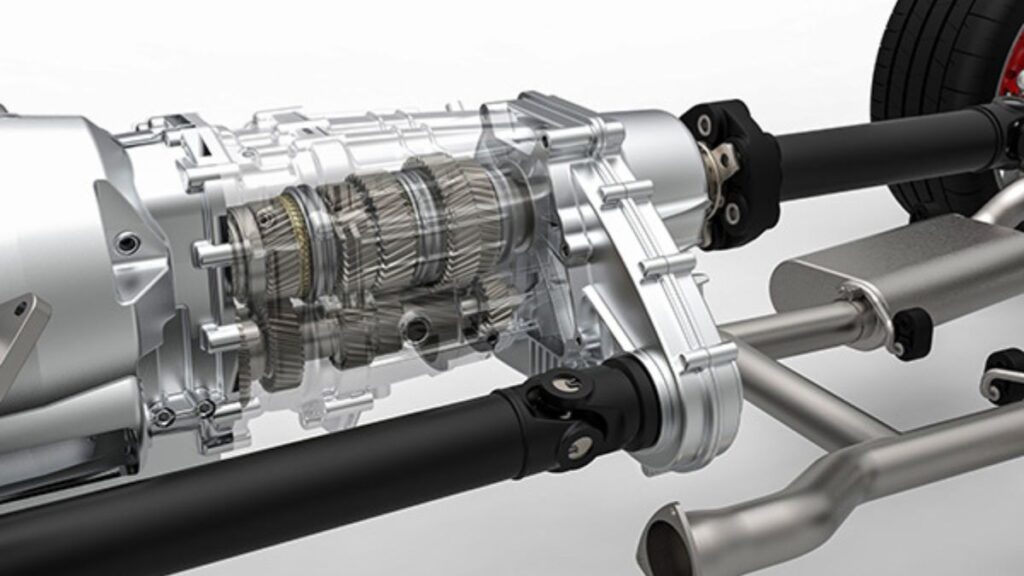
When it comes to off-roading or navigating tricky terrains, the transfer case is often the unsung hero of your 4WD system. You might not think about it every day, but this essential component plays a crucial role in how your vehicle performs. Whether you’re tackling steep hills or cruising through mud, understanding your transfer case can make all the difference.
But what exactly does a transfer case do? And how can you ensure it’s operating at peak performance? In this article, we’ll dive deep into everything you need to know about transfer cases—from their function and types to signs they may be failing and tips for maintenance. Let’s gear up and explore!
What is a Transfer Case?
A transfer case is a vital component found in four-wheel drive (4WD) vehicles. It connects the transmission to the front and rear axles, enabling power distribution to all four wheels. This mechanism allows drivers to switch between two-wheel drive (2WD) and 4WD modes with ease.
Typically housed within a robust casing, the transfer case can also house additional features like low-range gearing for challenging off-road conditions. This gear reduction provides extra torque when you need it most, making steep climbs or slippery surfaces manageable.
Transfer cases come equipped with various controls—some are operated electronically while others use manual levers. Regardless of their type, they serve as the backbone of any 4WD system by ensuring that torque is effectively delivered where it’s needed most on rough terrain.
The Role of the Transfer Case in 4WD Systems
The transfer case is a vital component of any 4WD system. It acts as the bridge between the engine and the drivetrain, directing power to both the front and rear axles.
This distribution allows vehicles to tackle challenging terrains with ease. When driving on slippery surfaces or off-road, engaging all four wheels provides better traction and stability.
Moreover, many transfer cases come equipped with features like low-range gearing. This feature enhances torque at lower speeds, making it easier to climb steep hills or navigate through tough obstacles.
Additionally, the transfer case can offer different drive modes. Drivers can switch between two-wheel drive for fuel efficiency on highways and four-wheel drive when extra grip is needed.
Understanding its role helps you appreciate how essential this part is in optimizing your vehicle’s performance in various conditions.
Different Types of Transfer Cases
Transfer cases come in various types, each designed to meet specific driving needs. The most common type is the **part-time transfer case**, which engages four-wheel drive when needed. It’s lightweight and often found in vehicles that prioritize fuel efficiency.
Next, we have **full-time or all-wheel drive transfer cases**. These systems automatically distribute power to both front and rear wheels at all times, enhancing traction on slippery surfaces. They are ideal for drivers who frequently encounter varying terrains.
Another variant is the **selectable transfer case**. This type allows drivers to switch between two- and four-wheel drive modes manually, giving flexibility based on road conditions or personal preference.
There are advanced options like the **electronic transfer case**. Using sensors and computer controls, this system optimizes power distribution automatically for improved handling and performance under challenging conditions.
Signs of a Faulty Transfer Case
A faulty transfer case can lead to a range of issues in your 4WD system. One common sign is unusual noises when shifting gears. Grinding or clunking sounds might indicate internal damage.
Another red flag is difficulty engaging the four-wheel drive mode. If you find it challenging to switch between modes, it could point to problems within the transfer case mechanism.
You may also notice fluid leaks under your vehicle. Transfer cases rely on lubricant, and any leak can result in inadequate performance.
If your vehicle struggles with traction or exhibits erratic behavior on uneven terrain, a malfunctioning transfer case could be at fault. Pay attention to these signs; early detection can save costly repairs down the line.
Maintenance and Care Tips for Your Transfer Case
Regular maintenance of your transfer case is essential for optimal performance. Start by checking the fluid levels frequently. Low fluid can lead to overheating and damage.
Be attentive to any leaks around the transfer case area. Spotting a leak early can save you costly repairs down the line.
Consider changing the fluid as per your vehicle’s manual recommendations or every 30,000 to 50,000 miles, especially if you use your 4WD system often.
Listen for unusual noises while driving in four-wheel drive mode. Grinding or clunking sounds may indicate issues that need immediate attention.
Keep an eye on shift engagement. If it feels rough or hesitant when switching between modes, it’s time to have it examined by a professional mechanic. Proper care ensures longevity and reliability in tough conditions.
Upgrading Your Transfer Case for Better Performance
Upgrading your transfer case can significantly enhance your vehicle’s performance, especially in off-road situations. A high-performance transfer case provides better torque distribution and improved handling on challenging terrains.
Consider options such as gear ratio changes for more power or a dual-range setup for extra versatility. Performance-enhancing modifications allow you to switch between low and high gears quickly, giving you control when it matters most.
Moreover, aftermarket transfer cases often come with stronger materials that withstand the rigors of off-roading. This means increased durability and longevity compared to factory models.
Don’t overlook electronic features either; modern upgrades may include advanced controls that promote seamless shifting between modes. Investing in these enhancements not only improves functionality but also elevates your overall driving experience.
Consulting with specialists can guide you toward the best upgrade tailored to your specific needs and driving style.
Conclusion
The transfer case plays a crucial role in your 4WD system, acting as the heart of your vehicle’s capability to navigate challenging terrains. Understanding its function and types can empower you to make informed decisions about maintenance and upgrades.
Being aware of signs indicating a faulty transfer case can save you from more significant issues down the line. Regular maintenance is essential for keeping your transfer case operating smoothly, ensuring longevity and optimal performance. Upgrading components can also lead to enhanced capabilities tailored to your driving needs.
Taking care of this vital part not only extends its life but significantly enhances your overall driving experience. Embracing knowledge about the transfer case opens up possibilities for improved handling, safety, and adventure on any road—paved or unpaved.